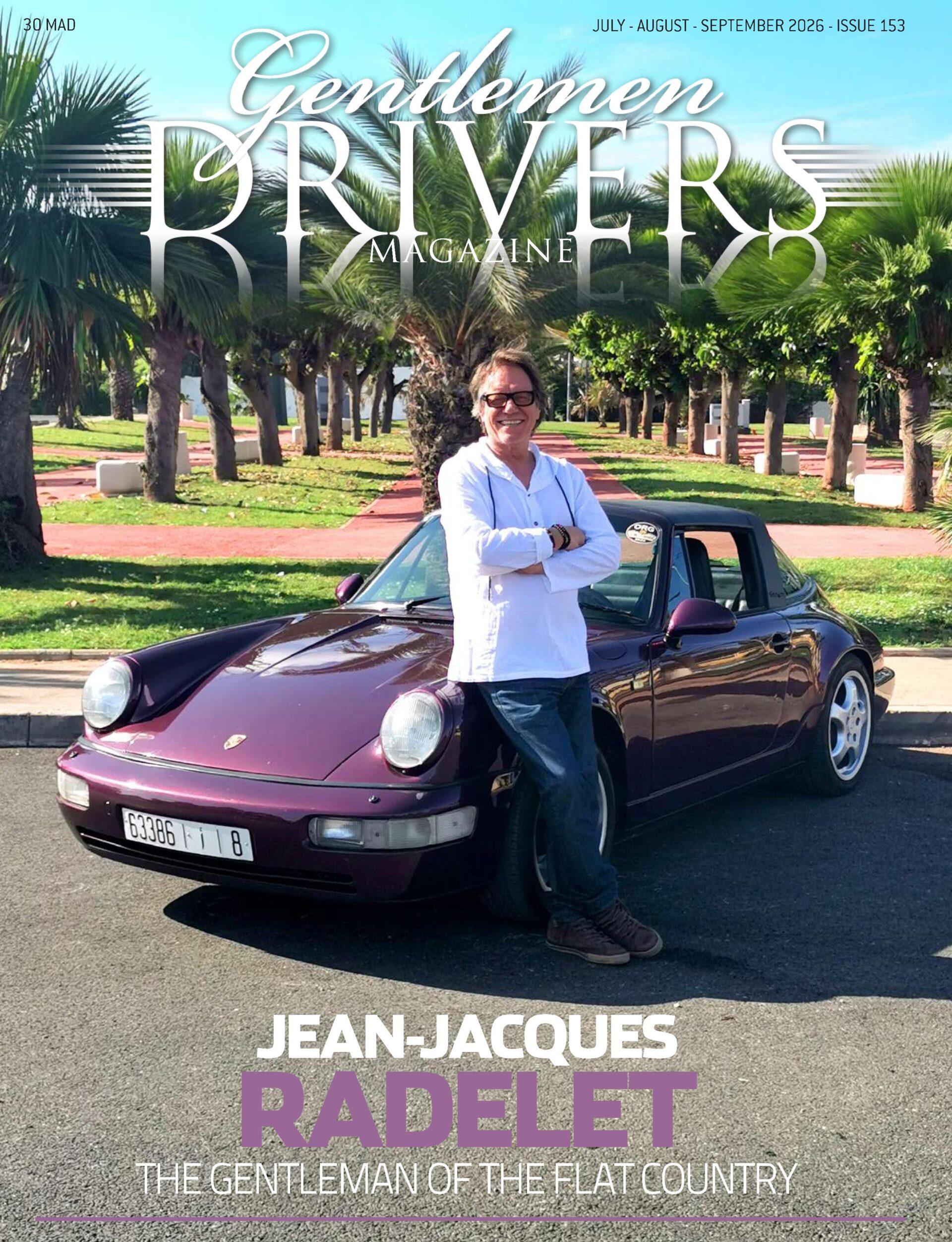
You only have to mention his childhood for Jean-Jacques Radelet’s eyes to light up. His Belgian and European championship titles, the thousands of kilometers covered in competition or the routes of the Mille Maroc Classic Rally suddenly seem to fade behind much simpler memories: a Fiat 500, a few country roads and a boy fascinated by what truly mattered to him and what he owned—four wheels and an engine. For him, passion was not born in a paddock. It took root in a garage, amid tools, tires, and old mechanics. Long before becoming a driver, Jean-Jacques was already an insatiable tinkerer. Deeply in love with Morocco, he would eventually pack his bags and move there, to share his passion with those wishing to discover the hidden treasures of the Kingdom.
Do you remember the moment it all began?
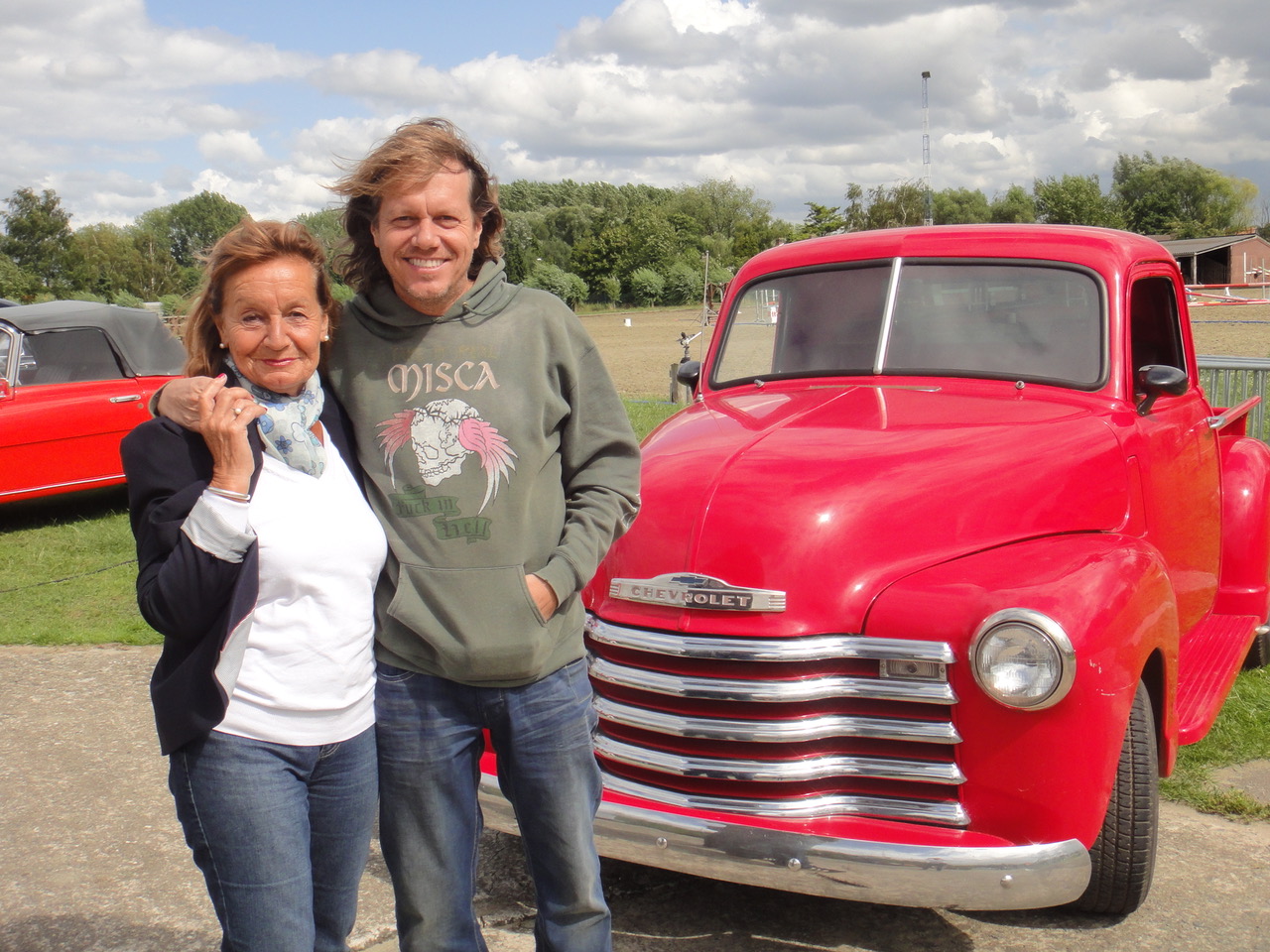
Jean-Jacques Radelet: I have always been drawn to mechanics. As a child, I would quickly dismantle and modify my toys to understand how they worked. This curiosity was the starting point of everything. Another striking memory is in the Belgian countryside: my mother would sit me on her lap for the last fifty meters of the drive home and let me hold the steering wheel of her Fiat 500. Without knowing it, she gave me my very first meters of driving.
Cars quickly became more than just a game…
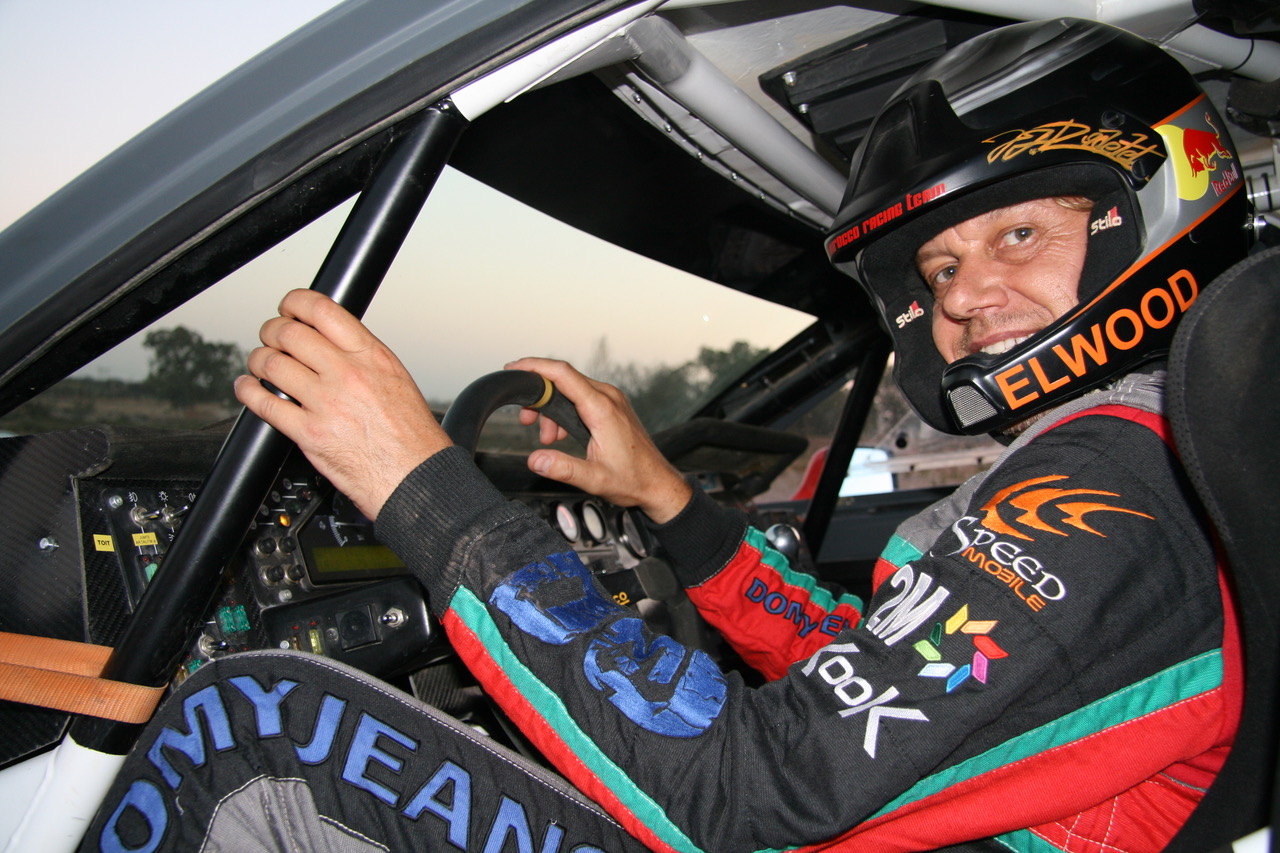
Jean-Jacques Radelet: Yes. I lost my father when I was quite young. He had promised me a moped, but our family was modest and asking for such a financial effort from my mother was out of the question. So, at fifteen, I decided to work on Wednesday afternoons and Saturdays at a tire dealer, to buy it myself. As soon as I got it, I completely dismantled and adapted it for country lanes, complete with knobby tires. The desire to go off the beaten path was already very much alive.
This first job also opened the doors to mechanics, for you…
Jean-Jacques Radelet: Completely. The boss also repaired cars and owned military Jeeps from World War II. It was in that workshop that I learned to tinker seriously, to take things apart and put them back together, to understand mechanics. That period was my true school. Your first car arrived shortly after… Jean-Jacques Radelet: Yes, an old Simca Rallye, tracked down at a scrapyard, eaten away by rust, and without a roadworthiness certificate. I bought it with my savings and brought it back via country lanes to start a DIY restoration. My parents’ land quickly became our private circuit. On weekends, friends would come over, we would water the ground to create mud, and we would spend hours drifting the car. It was in that Belgian field that I acquired, by instinct, my first driver’s reflexes: feeling the weight transfer and controlling the drifts.
After the Simca, cars would become much more than a passion…
Jean-Jacques Radelet: Confident in my abilities, I bought a Ford Escort Mk1, even before getting my license. I completely dismantled and restored it, outsourcing only the paint job to a professional. Once finished, I parked it in front of the house with a « For Sale » sign. It sold in a few days. I realized that by doing the work myself, I could earn money, while living out my passion.
And that was the beginning of a true adventure…
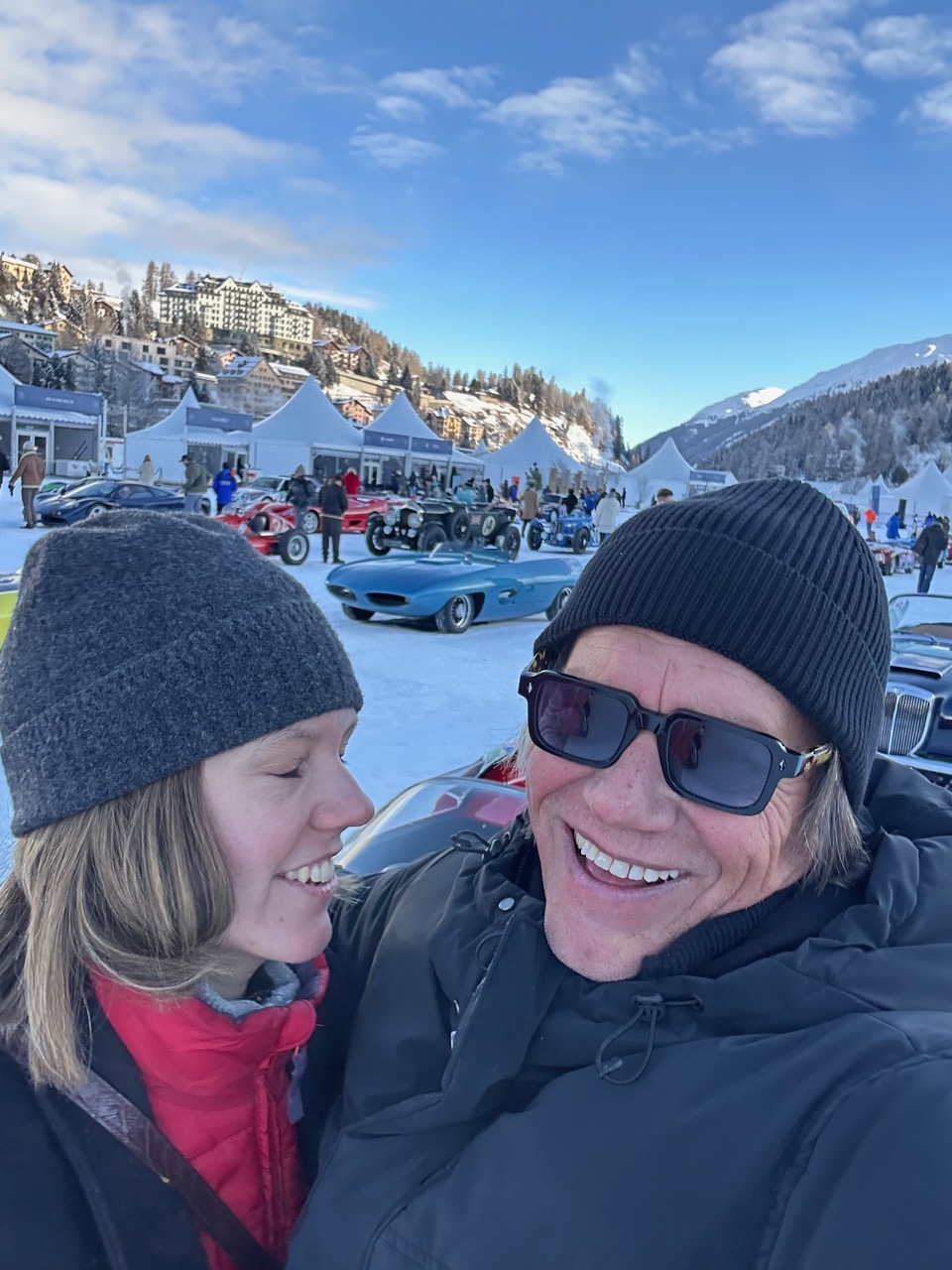
Jean-Jacques Radelet: Exactly. With the profit, I bought a BMW 1602, which I transformed by replicating the look of the legendary 2002 Turbo, using fiberglass parts. I resold it at a premium and repeated this pattern with several cars. Each project allowed me to progress technically and build up the capital that would finance my future automotive dreams.
And that dream quickly found a name: Porsche.
Jean-Jacques Radelet: At twenty-three, I treated myself to my first Porsche, a 944, which was relatively affordable at the time. It had been repainted in a burgundy shade, that didn’t suit it. I had it stripped back to restore its factory white color, before reselling it for a profit. I have always preferred restoring cars to their authenticity, rather than following trends. The 944 was a remarkable car, for its balance and clever design.
One Porsche led to another. After the 944 came several 911s, then a first-generation 928…
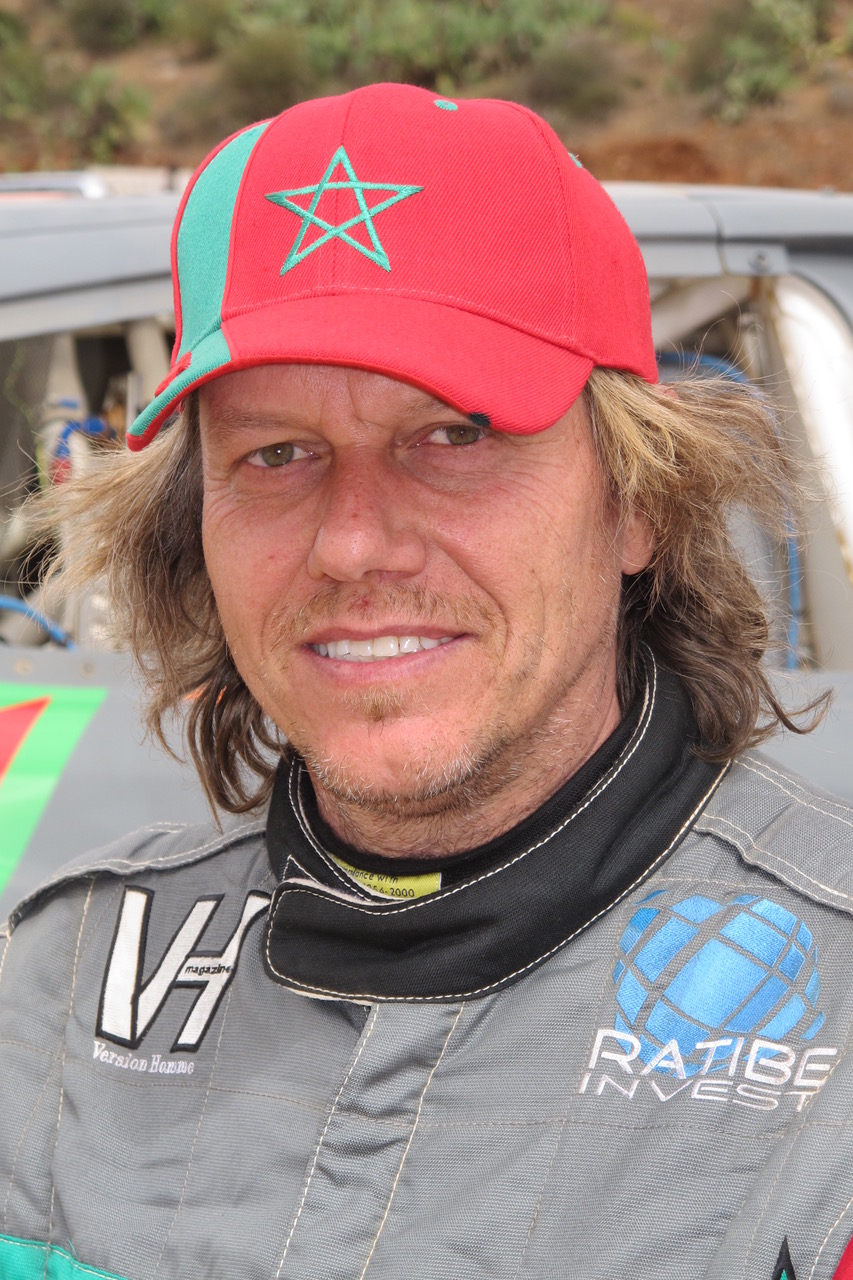
Jean-Jacques Radelet: A friend who specialized in the brand helped me with parts and advice. At that time in Belgium, taxes and insurance on large-engine vehicles prompted owners to part with them quickly. I bought prestigious models for ridiculous prices, like a 928 that showed barely 28,000 kilometers on the odometer. It was a blessed era, when you could drive these gems without imagining they would become overpriced collector’s items.
You also owned a few models that have since become legendary.
Jean-Jacques Radelet: Yes, notably the MercedesBenz 190 E 2.3-16, a sports sedan with exceptional handling. Later, I had a 500 E, developed in collaboration with Porsche. It was formidable, yet very discreet. I even used to enjoy replacing the rear badge with that of a diesel version, to surprise overly confident drivers during acceleration. I also owned a Ferrari 308, but only for a few weeks. Feeling the gearbox catch when cold, and knowing the cost of a rebuild, I preferred to resell it. Italian sports cars require patience and respecting warmup times—a different approach, compared to German ones.
You developed a real taste for restoration, to the point of gaining a reputation in your region…
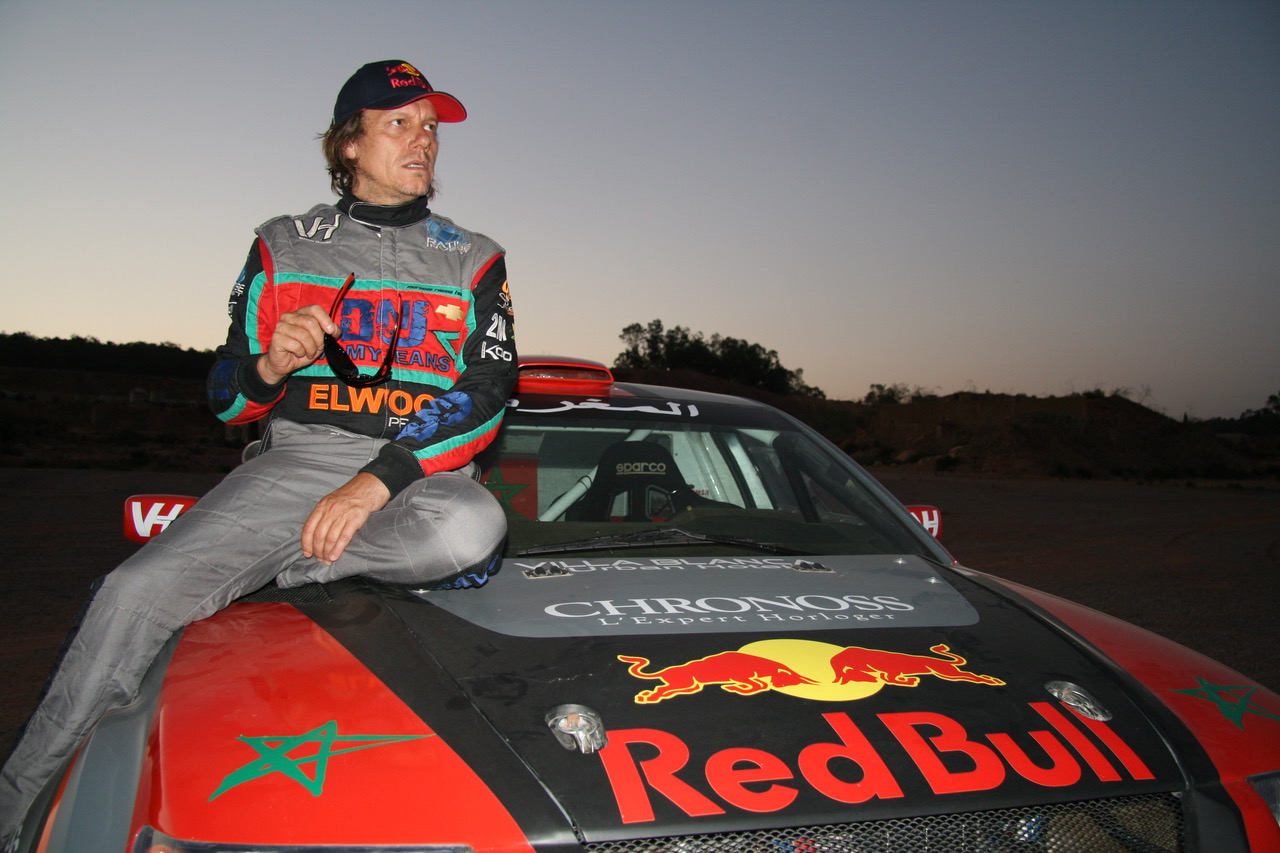
Jean-Jacques Radelet: People regularly saw me changing models and word-of-mouth took over. Without planning it, I had built a network of enthusiasts. All those experiences in negotiation, restoration and client contact prepared me for motorsport, and later, for organizing the Mille Maroc Classic Rally. How do you go from road cars to competition? Jean-Jacques Radelet: By chance. A friend, whose wife ran a modeling agency, was looking for a driver, to participate in the Tour de Belgique 4×4, a major off-road event, that crossed military camps and attracted official teams from major manufacturers. We bought an old Daihatsu Rocky Turbo Diesel, which we handed over to a tuner. We thought we were ready, but mostly, we learned a lot facing very fierce competition. Despite a modest result, the experience was a revelation: I had been bitten by the racing bug. I bought out the vehicle, we prepared it more seriously and results started coming in the Diesel category, drawing attention during the final rounds of the season.
That is when Daihatsu came knocking on your door…
Jean-Jacques Radelet: Daihatsu offered me a spot in a semi-official structure. Having the backing of a manufacturer changed everything. We were regularly finishing on the podium, becoming credible contenders. At the same time, I was running a restaurant, which became the rallying point for enthusiasts and professionals in the field.
How did Chrysler enter your life?
Jean-Jacques Radelet: The head of Chrysler Belgium came to have lunch at my restaurant. The brand had just launched the 4.0-liter Jeep Cherokee. Convinced of its competitive potential, despite its image as a leisure vehicle, he suggested I race it. The season was coming to an end and the car had just come out of the workshop, preventing an official entry. So, we started as the « double zero » car, to validate its technical operation. Accompanied by Jean-Paul Mainville, a very experienced codriver, we drove cautiously at first. But during the final and longest special stage, we pushed to the absolute maximum. Not having an official time, I asked the marshals for our score: we had just set the absolute fastest time of the weekend.
A few weeks later, you became an official driver for the brand…
Jean-Jacques Radelet: We developed the Cherokee in competition for two seasons, consecutively winning the Belgian Championship and then the European Championship. It was an immense success for Chrysler and a true achievement for me: I had become a factory driver.
It was an opportunity to discover the behind-thescenes of motorsport and sponsorship.
Jean-Jacques Radelet: I realized that sponsorship relies above all on networks of trust and preexisting industrial agreements (such as between Chrysler, Clarion, or Goodyear). Decisions were often finalized well in advance. This reality served me my whole life: behind every logo on a bodywork lies a story of partnership, far more than a simple advertising contract. Did your titles change your perspective on motorsport? Jean-Jacques Radelet: They taught me that it is a financially ruthless discipline. The public imagines that by winning, you get rich, but you often walk away with a trophy and colossal bills. Unless you are a factory driver at the highest level, the reality is less glamorous: drivers spend most of their time looking for budgets and putting together sponsorship proposals. This discovery made you realize the fragility of this profession… Jean-Jacques Radelet: Absolutely. After our titles, a change of management at Chrysler stopped everything. The new executive wanted a more family-oriented image for Jeep, and the racing budget vanished overnight. Corporate strategies evolve at the whim of executives, regardless of the victories achieved.
Despite your titles, you ultimately decided to step back. Why?
Jean-Jacques Radelet: Competition requires a colossal investment of time. Playing a leading role means entire days of testing to fine-tune setups with the engineers. It is painstaking work, where you are constantly looking for the ideal compromise between asphalt and dirt. In the European Championship, logistics and travel become omnipresent. My business was growing and needed me; I had to choose between high-level motorsport and my professional future. I chose my business and I have never regretted it. Even after leaving the championships, you never completely stayed away from the circuits. Jean-Jacques Radelet: You never truly turn the page. I took part in occasional events for pleasure, like the 25 Hours of Spa-Francorchamps, to reconnect with the camaraderie of the paddocks. Competition always remains anchored within you.
How did the idea of organizing the Morocco Classic Rally come about?
Jean-Jacques Radelet: From a dual passion: for Morocco, which I discovered during personal travels and for vintage cars. The diversity of Moroccan landscapes (Atlas Mountains, desert, coastlines) offered the perfect terrain to combine driving with cultural discovery. I wanted to create an event that showcases automotive heritage, bringing together European and Moroccan crews, while supporting the local economy. What were the main logistical and administrative difficulties? Jean-Jacques Radelet: The major challenges concerned obtaining official permits, route safety, managing vehicle transport from Europe and creating a local network for assistance and hospitality. We had to establish a relationship of trust with Moroccan stakeholders, respect local customs, and know how to adapt to the weather and the changing condition of the roads, to guarantee safety.
Can you describe a typical stage of the rally?
Jean-Jacques Radelet: It begins with an early morning safety briefing. Competitors then head to the timed special stage via a liaison route, crossing mountain or desert landscapes. After the stage, an assistance checkpoint and a convivial lunch bring the participants together. The afternoon combines regularity trials or liaisons, before returning to the parc fermé for car maintenance and an evening centered around local culture.
Do you have a memorable anecdote?
Jean-Jacques Radelet: an amateur crew was suffering from recurring electrical breakdowns. Thanks to the solidarity of the other competitors and the help of a local mechanic, they rewired the entire car overnight, lit only by a single phone. They took the start the next morning and finished the rally. This mutual aid and the warm welcome from the local populations sum up the magic of the event.
What impact does the rally seek to have on local communities?
Jean-Jacques Radelet: We want to generate direct economic benefits for hotels, restaurants, and logistics providers, while bringing international visibility to isolated regions. We also integrate solidarity initiatives (supporting associations, training) to leave a lasting and human footprint.
How do you balance competition with environmental preservation?
Jean-Jacques Radelet: Safety and respect for the sites are absolute. We avoid protected areas, limit the impact on villages, and strictly manage waste. From a sporting perspective, the format favors regularity, navigation, and reliability rather than pure speed, which is perfectly suited to historic vehicles.
What are your ambitions for future editions?
Jean-Jacques Radelet: To develop the international impact, without distorting the local roots, to renew the routes and to reinforce safety. I would also like to set up educational workshops, notably mechanical training for local youth and exhibitions on automotive history, to emphasize sharing.
Is there an experience in Morocco that particularly transformed you?
Jean-Jacques Radelet: During a reconnaissance Motors Interview of the month THE GENTLEMAN OF THE FLAT COUNTRY JEAN JACQUES RADELET drive in the Anti-Atlas, the residents of a village spontaneously invited me to share their meal. Their enthusiasm for the cars and their sense of hospitality reminded me of the deep spirit of this rally: beyond the sporting aspect, it is a wonderful tool for intercultural encounters and human connection.
A closing word…
Jean-Jacques Radelet: The Morocco Classic Rally is a project from the heart, combining passion, culture and sharing. Our goal is to continue this adventure, while respecting the territories and the people who welcome us, offering a unique experience to new enthusiasts.
Bio express :
•1960 : Born in Belgium.
•1990: Began his racing career with Daihatsu.
•1993: Won both the Belgian Championship and the European Championship.
•2007: Clinched the title of Belgian Off-Road Rally Champion.
•2011: Achieved his greatest feat in Morocco, finishing 2nd in the 24 Hours OffRoad Morocco driving a Buggy Proto Oscar under the Red Bull colors.
•2012: Returned to the 24 Hours Off-Road, this time sharing driving duties directly
with the legendary winner Jean-Louis Schlesser.
•2014: Jean-Jacques Radelet organized the inaugural edition of the Mille Maroc
Classic Rally. This regularity rally for vintage cars originally linked Tangier to
Marrakech.