







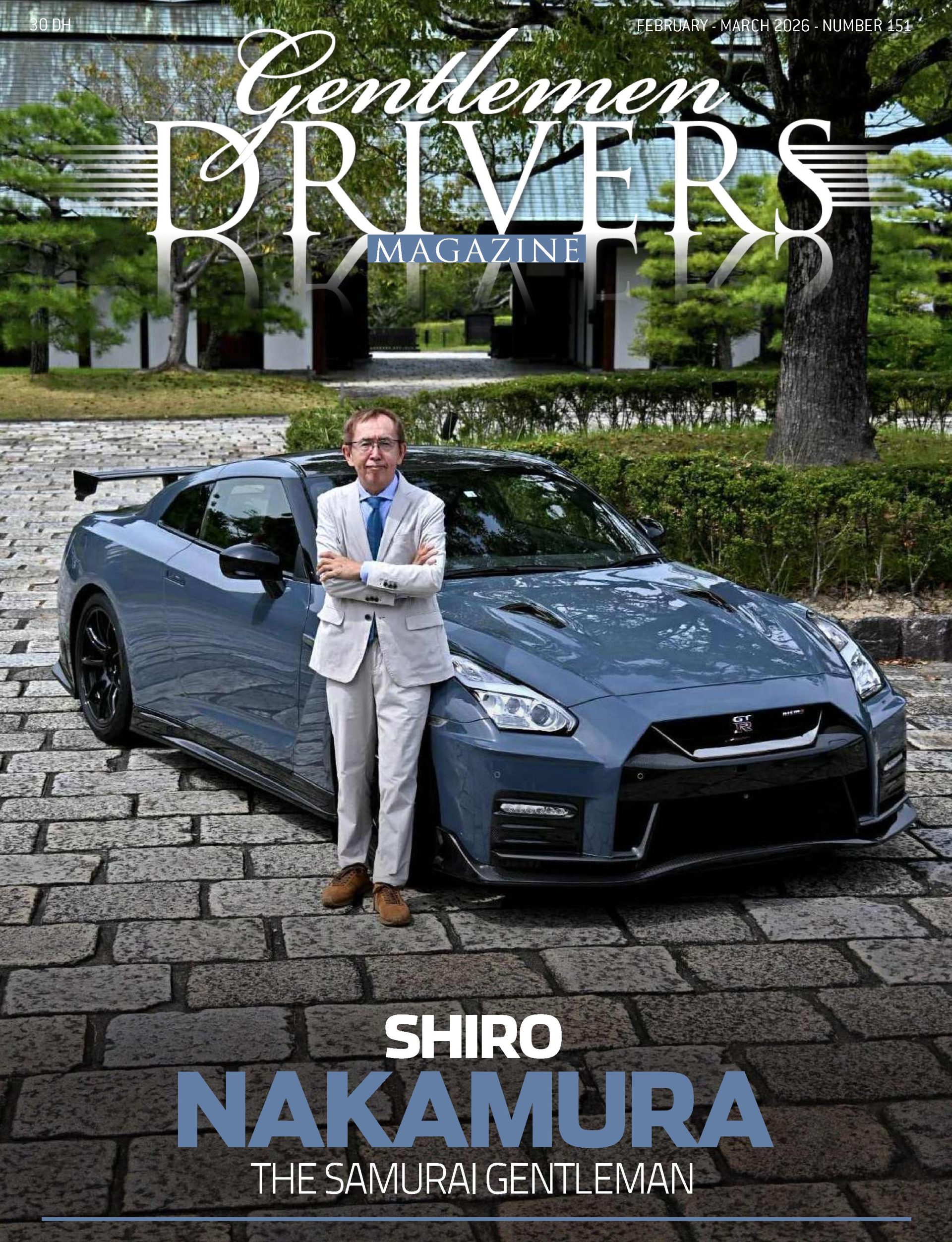
Former Head of Design at Nissan, Shiro Nakamura is one of the key figures behind the sty-listic renaissance of the Japanese automotive industry. Beneath his discreet demeanor lies a visionary, who left a lasting mark on the sector, through bold, sometimes divisive choices, always deeply rooted in concept. From the Nissan GT-R to the Juke, along with numerous iconic concept cars, his creations challenged conventions and redefined the relationship between design, technology, and emotion. For Nakamura, design must first convey meaning, before seeking to seduce. He imposed a strong signature within an industry often constrained by marketing and engineering. Today, as he reflects on several decades of innovation, the designer shares— through this interview with Gentlemen Drivers—his perspective on his influences, decisions, and vision for the future of the automobile. A conversation with a creator who never bowed to consen-sus, preferring instead to permanently transform the language of form.
Discovering the captivating story in PDF
Were you already interested in cars and design as a child? What sparked this passion?
When I was in elementary school, I constantly drew cars during class hours. A book titled Cars of the World was my bible; I loved looking at photos of cars that were very rarely seen in Osaka in the early 1960s. I was particularly fascinated by Italian sports cars and large American vehicles. At the age of nine, I found a book in a bookstore, dedicated to Italian carrozzeria. That moment defined my entire life. From then on, I developed a very clear desire to become an automobile designer.
You began your career at Isuzu before joining Nissan. What initially drew you to automotive design?
At the end of high school in Osaka, I didn’t know exactly which school to choose to become an automotive designer. However, I read an article about Mr. Hideo Kodama, the first Japanese designer at Opel, and learned that he had studied at an art school in Tokyo. Following his path, I chose Musashino Art University. Since the university did not teach automotive design at the time, the Italian magazine Style Auto be-came my teacher. I taught myself sketching techniques and the principles of automotive form.
What were your main influences during your design studies, in Japan and later at the ArtCenter, in the United States?
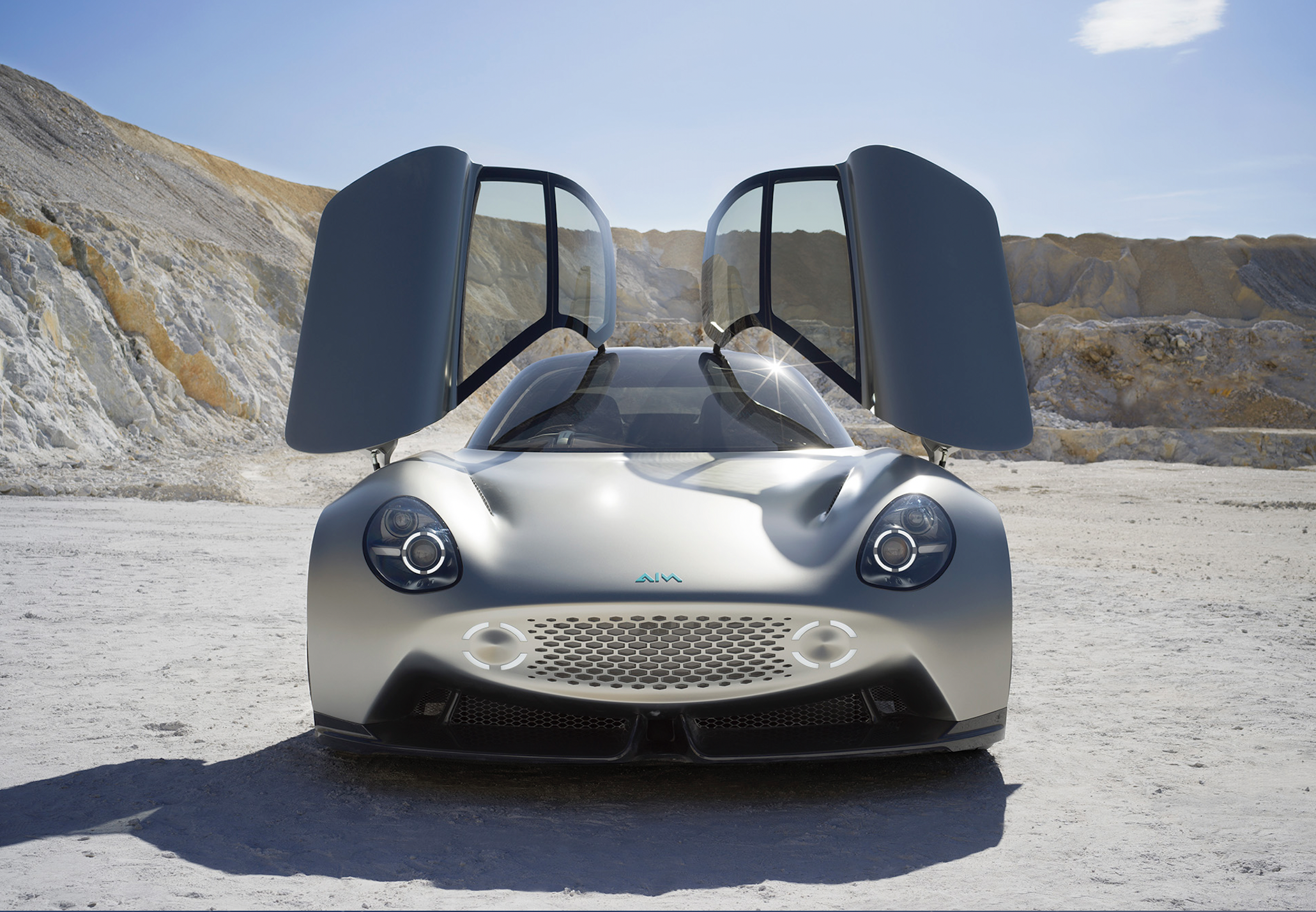
I was inspired by a book on product design, written by Mr. Inokuchi, a designer at Isuzu. At that time, Isuzu was producing many attractive vehicles and employed talented designers, who had stu-died at the ArtCenter, in the U.S. I learned a great deal from them and was able to experience the entire automotive design process, during my few years at Isuzu. When I later joined the ArtCenter College of Design, I was already a mature designer. Even though the program had less to teach me—I actually graduated top of my class—what I gained most were the intense exchanges and creative stimulation with talented classmates, such as Chris Bangle.
How did the cultural transition between Japan and the United States shape your de-sign philosophy?
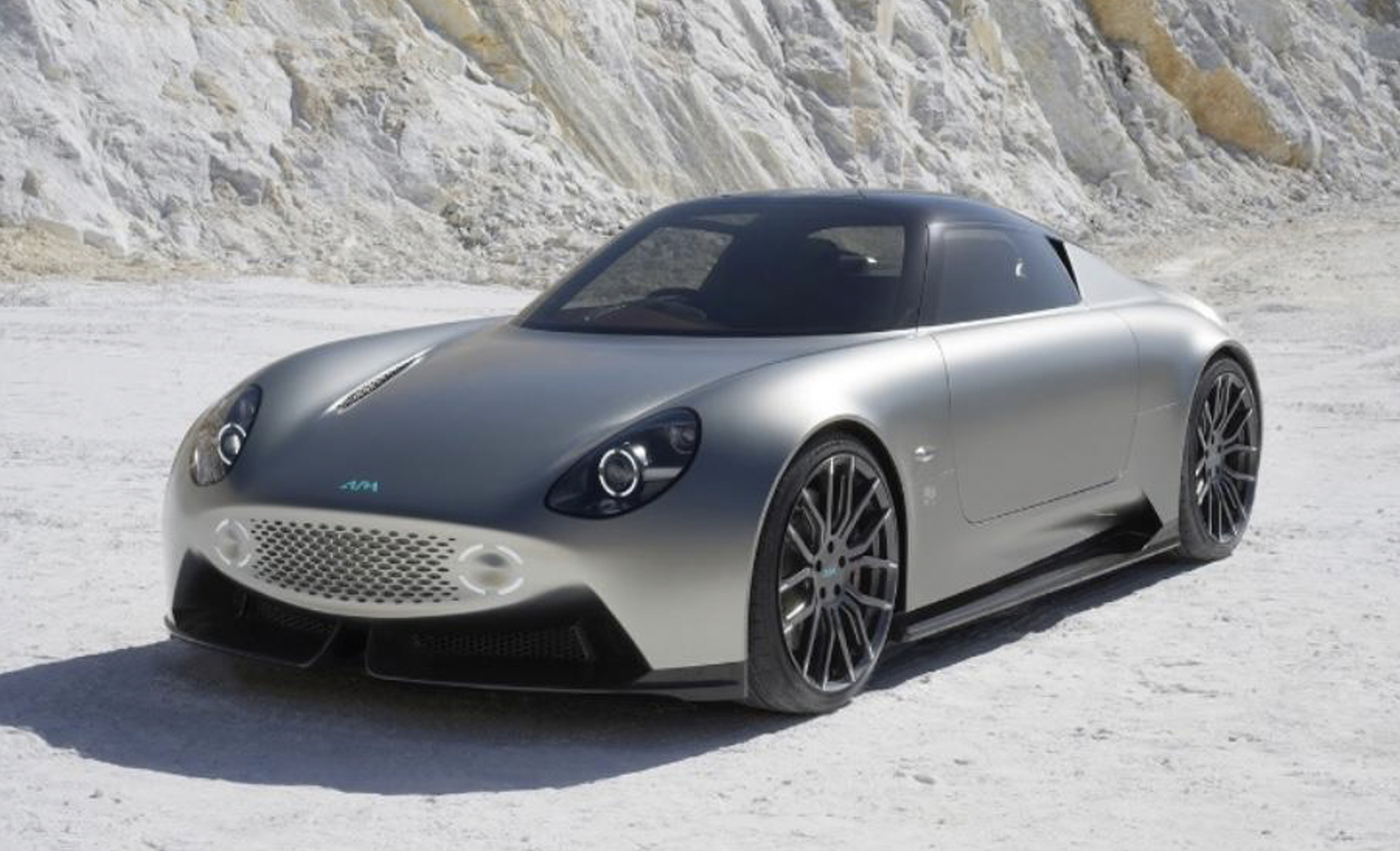
After the ArtCenter, I worked at the GM Tech Center, then in Europe, as head of design at Isuzu, for five years. These experiences across different cultures allowed me to build my design philosophy: automotive design is a reflection of culture and designers must therefore deeply understand cultural differences.
How would you define your fundamental design philosophy?
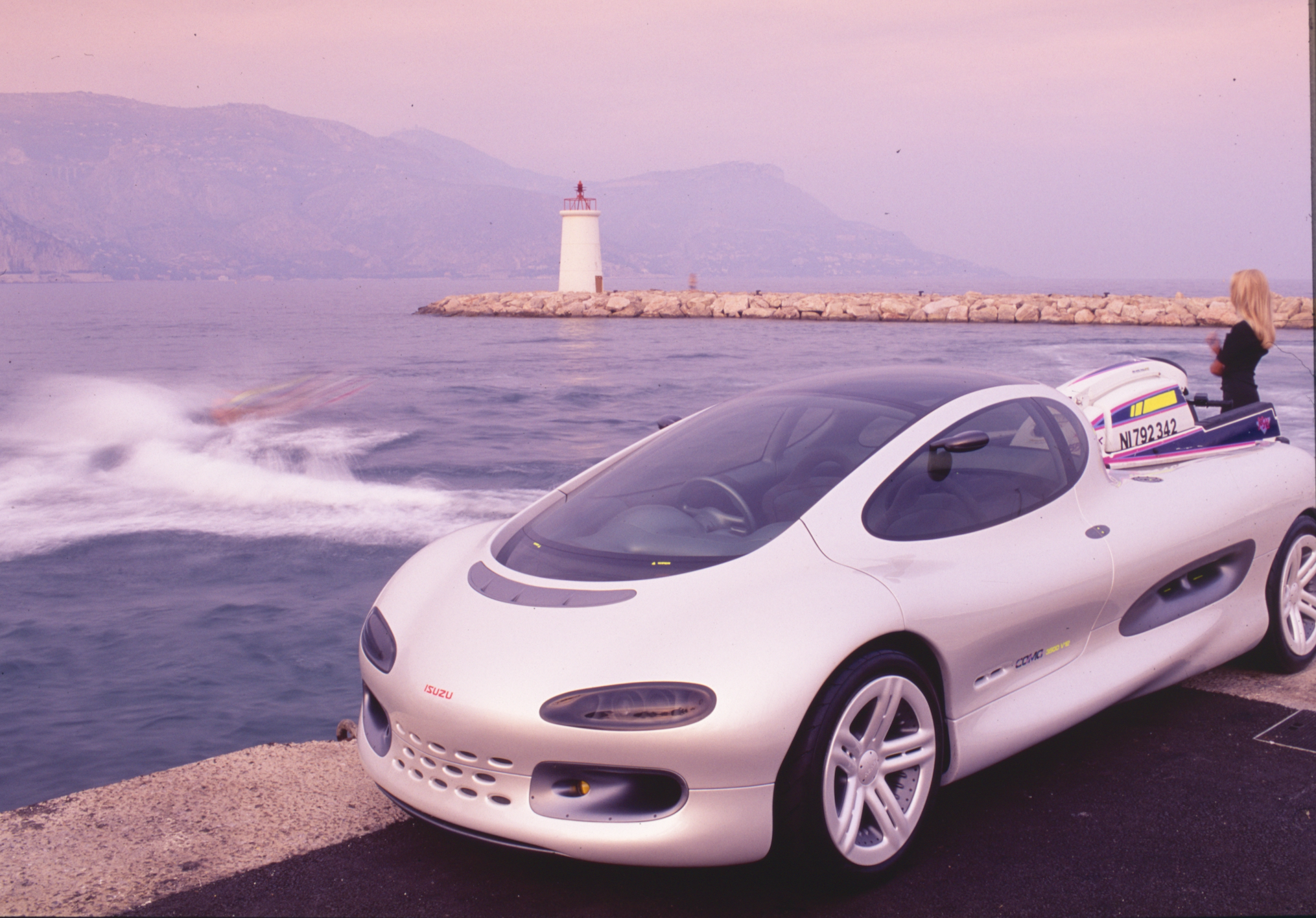
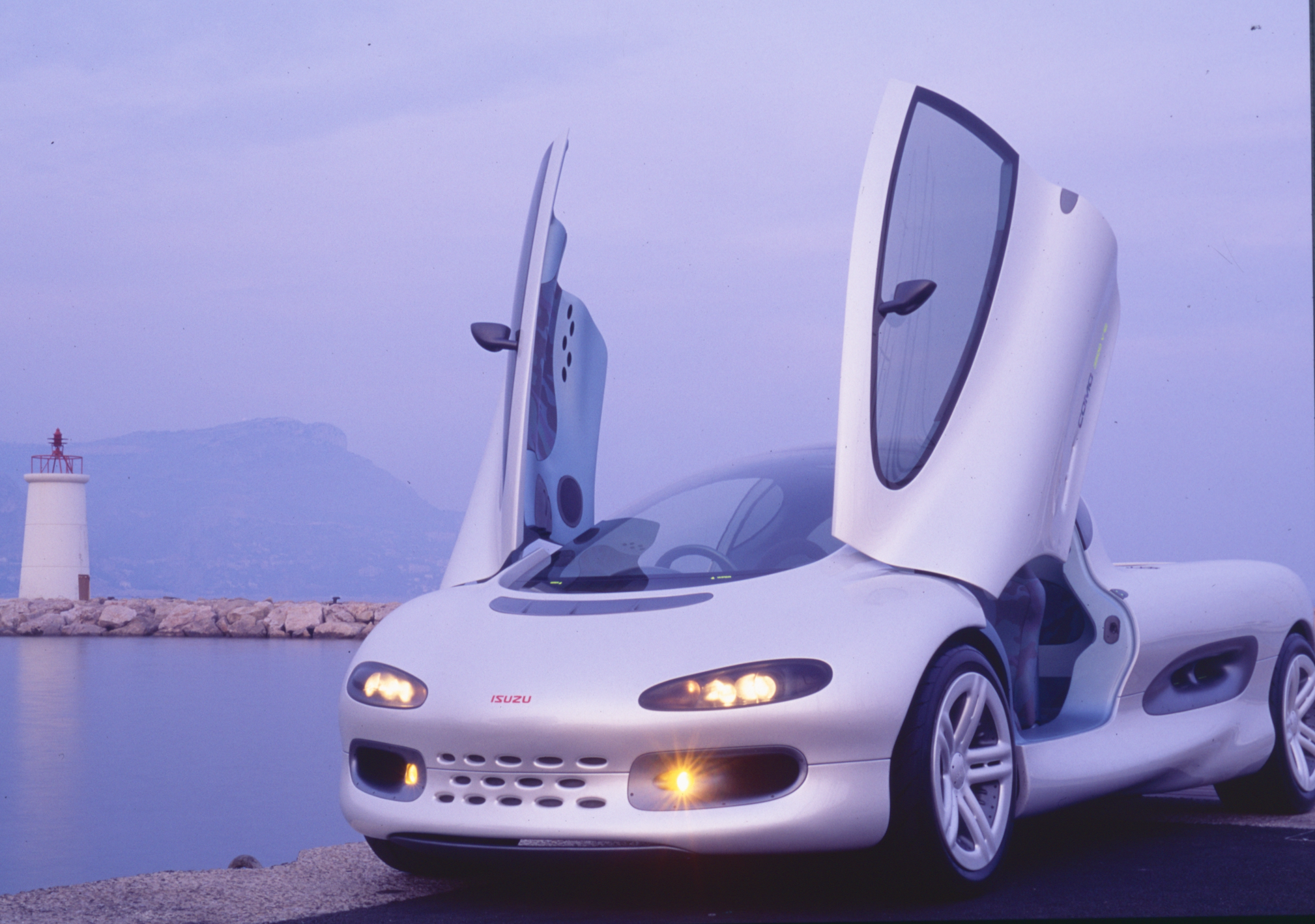
During my five years at Isuzu Europe, I created three concept cars: the 4200R, the Como and the VehiCROSS. I collaborated with young, talented designers, such as Julian Thomson and Simon Cox, at Lotus. While the 4200R had an exceptional design and the VehiCROSS offered a completely unique concept—both very well received—I felt I had almost achieved my goals. However, after returning to Japan, I began to think it was necessary to create original Japanese designs, rather than follow European aesthetics.
What was the biggest challenge in redefining Nissan’s stylistic identity, in the early 2000s?
Nissan has a long history of excellent cars, but when I arrived, the coherence of its design philoso-phy was not clearly established. With the team, we undertook a return-to-roots effort. One can learn a great deal from the past, provided it is analyzed in depth.
How did your collaboration with Carlos Ghosn influence your leadership and crea-tive decisions?
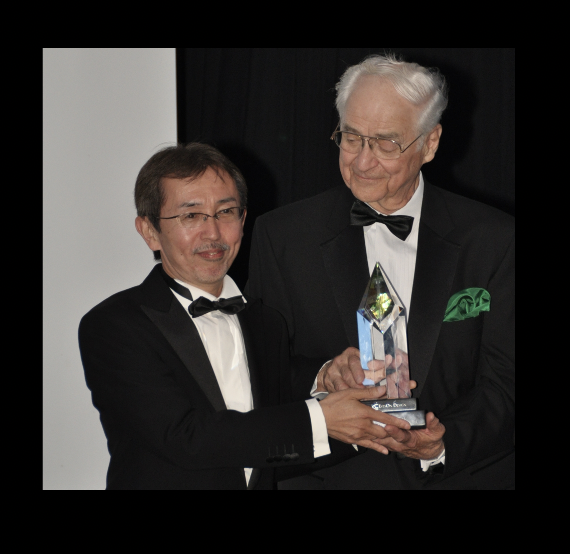
In 1999, I had an interview with Mr. Carlos Ghosn. It was a special meeting—we understood each other immediately. He strongly supported design and gave me great freedom in creative decisions. I also learned a great deal from him about organizational leadership.
Looking back, which Nissan model best represents your vision as a designer?
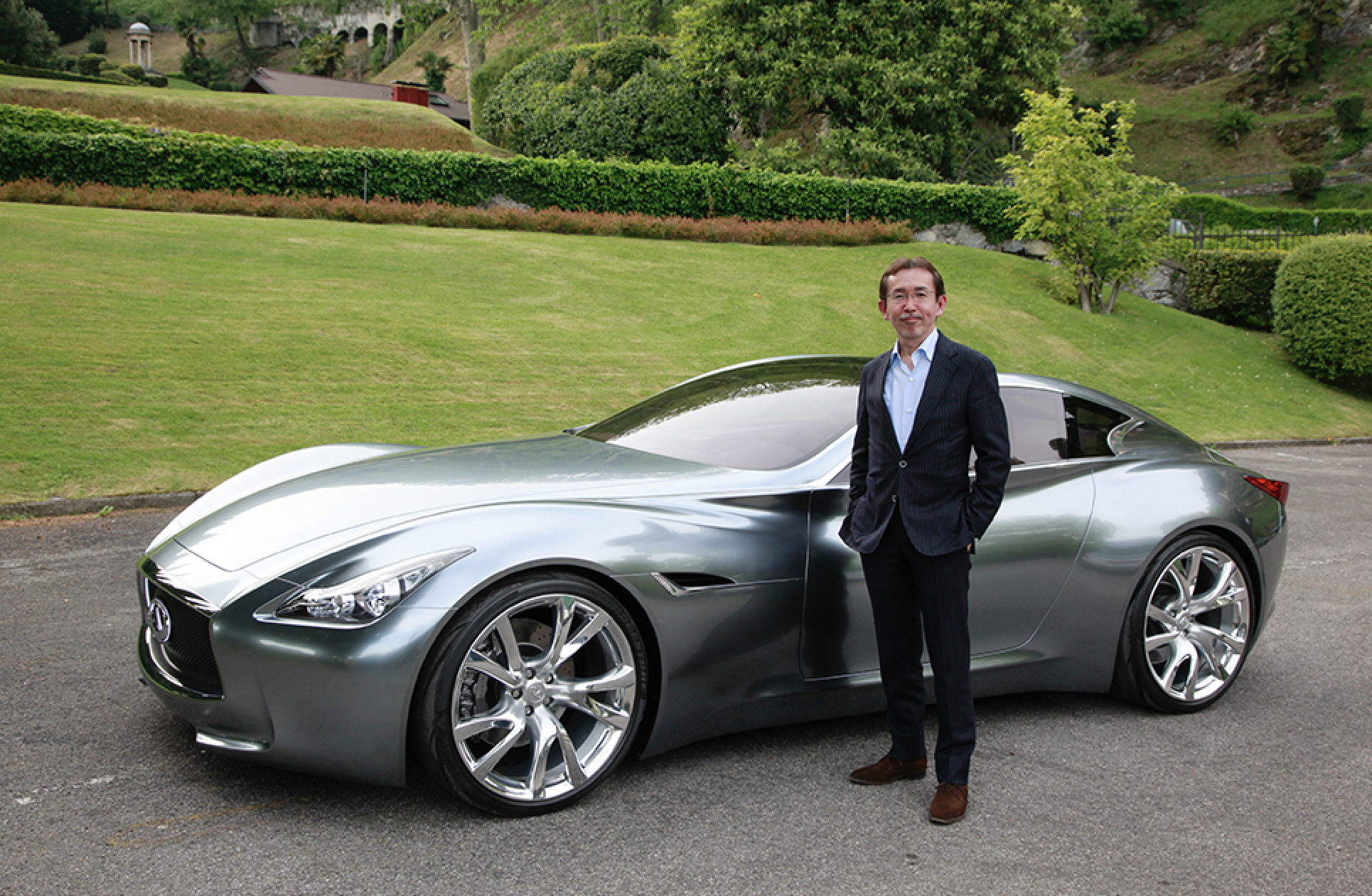
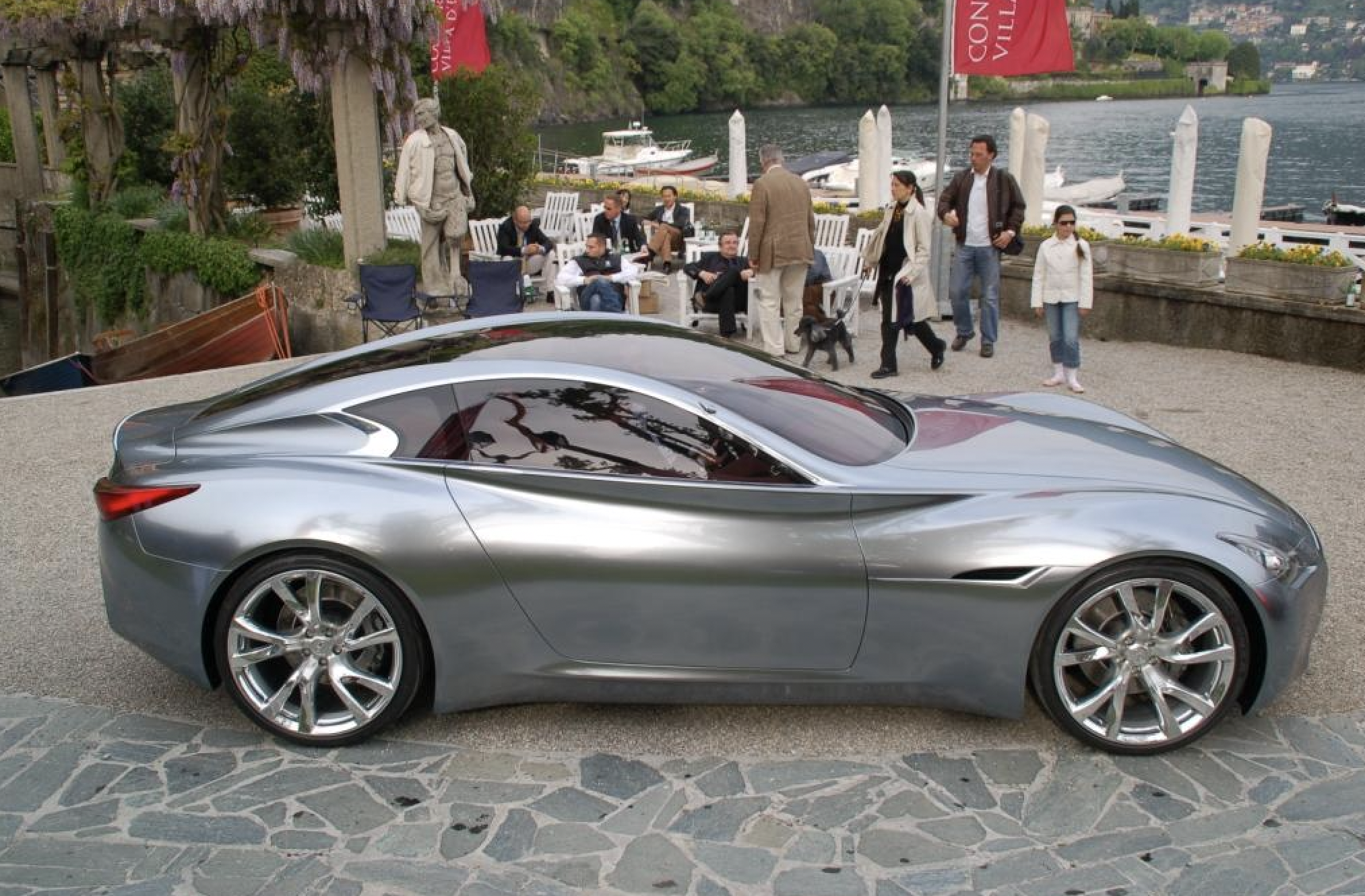
When I joined Nissan in 1999 as Chief Creative Officer, my mission was to return the company to profitability, through attractively designed products. The first generation of models under my direc-tion, such as the 350Z and the Micra, helped redefine Nissan’s brand image. I am particularly proud of having created the crossover category, starting with the Murano and the Infiniti FX in 2002, followed by the Qashqai and the Juke. These models achieved great commercial success and contributed to Nissan’s recovery. Finding the balance between economic success and design philosophy is difficult—but essential.
The Nissan GT-R and the Cube are very different, yet both are iconic. How did you adapt your creative approach to such contrasting projects?

One of my goals was to create designs that were resolutely Japanese. The GT-R and the Cube both express Japanese culture, but at opposite extremes. The Cube adopts a static, anti-speed approach, inspired by traditional Japanese architecture—a de-sign conceived “from the inside out. By contrast, the GT-R imed to express the dynamism of high-level performance. However, it was not meant to follow European supercar codes; it had to be clearly Japanese. The inspiration came from Gundam, a Japanese robot animation that is popular worldwide and representative of contemporary Japanese culture.
How do you reconcile Japanese minimalism with the global expectations of car buyers?
Minimalism is a fundamental value of Japanese philosophy and appeals to a specific international audience. However, to reach a broader public, it is necessary to explore the many facets of Japanese culture, particularly modern culture. Historically, Japan has been able to absorb and refine numerous influences from around the world. After leaving Nissan, you founded SN Design Platform. What motivated you to start this new venture? For me, automotive design is not a profession, but a lifelong passion. I simply cannot move away from it. I believe my current mission is to pass on my experience to the next generation—not in an academic setting, but in the real world. That is why I created my company, as a platform for colla-boration with different designers. How do you choose the projects you work on today? I no longer work with established manufacturers. I prefer collaborating with people who share the same goals, but cannot achieve them without our Motors Interview of the month specialized support.
Do you see automotive design more as a form of art or as a response to engineering constraints?
Technical requirements are not constraints but catalysts for creativity. While automotive design must meet customer expectations, it is also a powerful form of artistic expression. Do you think the rise of electric vehicles and autonomous driving is changing the es-sence of automotive design? Future mobility will be polarized: on one side, functional transportation tools; on the other, an emo-tional dimension—the pleasure of driving. As design adapts to user values, automotive design will become more diverse than ever.
If you had not become an automobile designer, what would you have done?
During my studies in Tokyo, I spent a lot of time playing jazz bass, which I had started in high school. I played in jazz clubs with conservatory students and nearly pursued a professional music career. But as the end of my studies approached, I remembered my childhood dream: becoming an automobile designer. Outside of design and automobiles, what are your personal passions? Music remains a lifelong passion; I still play jazz on the bass and classical music—mainly Bach—on the cello. I find many parallels between classical music and design and I continue to learn every day through music.
Your all-time favorite classic car?
It is difficult to choose just one. I deeply love Italian sports cars from the 1960s and 1970s, which taught me authentic beauty. If I had to select one, it would be the 1964 Alfa Romeo Canguro by Bertone, designed by young Giugiaro. It is perfect, from every angle.
What advice would you give to young designers entering the automotive world today?
I consider myself fortunate to have fulfilled my dream of becoming an automobile designer. I achieved goals I never imagined when I was young, simply by maintaining my passion for cars and design. My advice is to follow one’s passion and always nurture one’s intellectual curiosity.
Bio express :
1950: Born in Osaka, Japan
March 1974: Graduated in Industrial Design – Bachelor of Arts, Musashino Art University, Tokyo
April 1974: Begins professional career at Isuzu Motors in Japan, as a studio draftsman
October 1981: Design studies in the United States – Bachelor of Science with Distinction in Transportation Design, Art Center College of Design, Pasadena, California
1985: Works at General Motors Advanced Design Studio, in Warren, Michigan, USA
1989: Returns to Isuzu Motors Europe (Brussels/Birmingham) as Design Manager / Chief Designer
1997: Vice President, Product Planning, American Isuzu Motors, California
1998: Appointed General Manager of Isuzu’s design center in Japan; notable for the VehiCROSS concept
1999: Joins Nissan Motor Company, to revitalize the Japanese manufacturer’s design 2000-
2001: Rapidly promoted at Nissan – Design Director, then Senior Vice President, Global Design
2006: Becomes Chief Creative Officer at Nissan, overseeing design strategy for Nissan and Infiniti
March 2017: Leaves Nissan after nearly 18 years at the head of design; founds Shiro Nakamura Design Associates.